𝗜 𝗿𝗲𝘀𝗽𝗲𝗰𝘁 𝗥𝗮𝗯𝗯𝗶 𝗦𝗶𝗻𝗴𝗲𝗿’𝘀 𝗽𝗮𝘀𝘀𝗶𝗼𝗻, 𝗯𝘂𝘁 𝗜 𝗴𝗼𝘁𝘁𝗮 𝗮𝘀𝗸 𝗶𝗳 𝘁𝗿𝘂𝘁𝗵 𝗶𝘀 𝗿𝗲𝗮𝗹𝗹𝘆 𝘄𝗵𝗮𝘁’𝘀 𝗱𝗿𝗶𝘃𝗶𝗻𝗴 𝗵𝗶𝘀 𝗮𝗿𝗴𝘂𝗺𝗲𝗻𝘁𝘀.
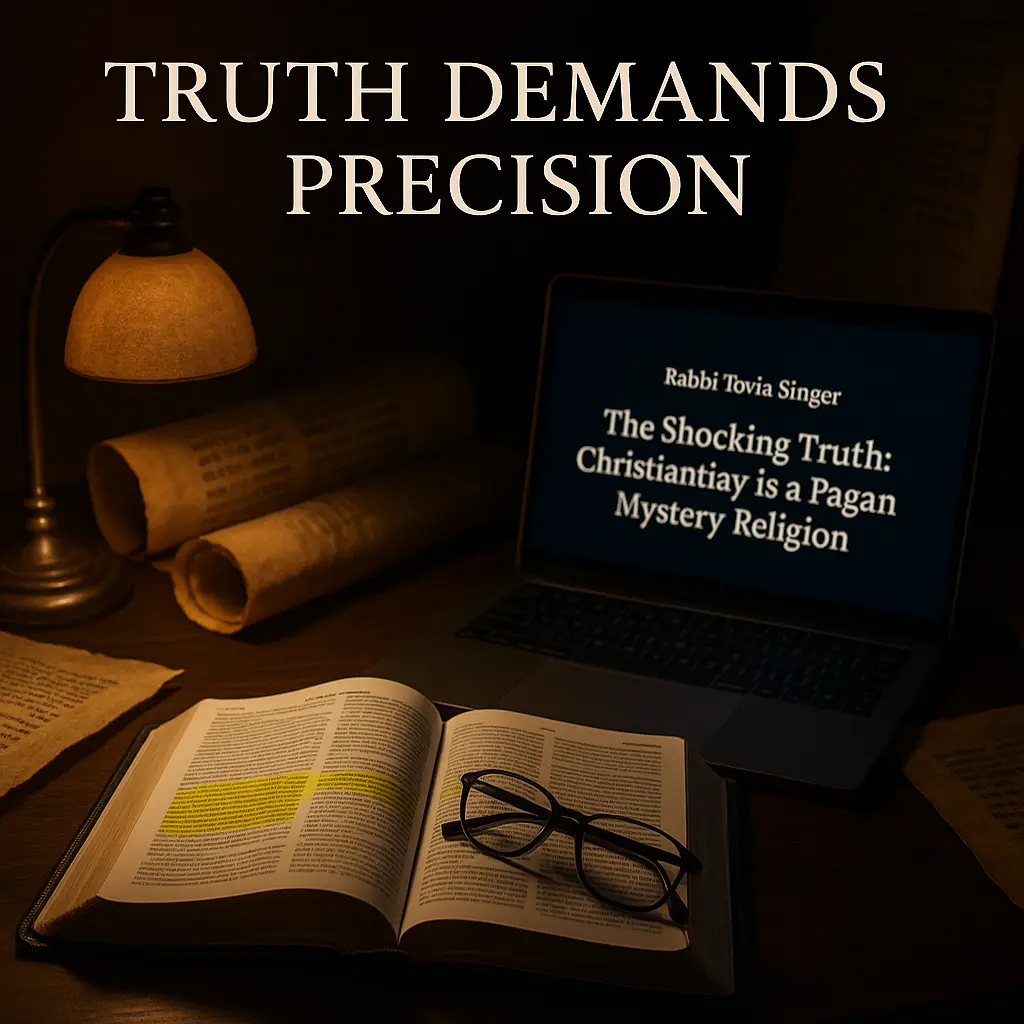
I watched Rabbi Tovia Singer’s video, “𝘛𝘩𝘦 𝘚𝘩𝘰𝘤𝘬𝘪𝘯𝘨 𝘛𝘳𝘶𝘵𝘩: 𝘊𝘩𝘳𝘪𝘴𝘵𝘪𝘢𝘯𝘪𝘵𝘺 𝘐𝘴 𝘢 𝘗𝘢𝘨𝘢𝘯 𝘔𝘺𝘴𝘵𝘦𝘳𝘺 𝘙𝘦𝘭𝘪𝘨𝘪𝘰𝘯,” and felt two things at once:
A) respect for his passion, and
B) Concern at how several claims, delivered with certainty, are, on inspection, factually wrong.
I am not someone that ever attacks ideological opponents personally, so there will be no attacks on Rabbi Singer here.
With that said, I don’t think his video was a particularly shining beacon of intellectual honesty.
First, the video insists that Paul says Scripture is the “only” source of doctrine (𝟮 𝗧𝗶𝗺 𝟯:𝟭𝟲).
But, let’s read the verse.
16 𝘈𝘭𝘭 𝘚𝘤𝘳𝘪𝘱𝘵𝘶𝘳𝘦 𝘪𝘴 𝘪𝘯𝘴𝘱𝘪𝘳𝘦𝘥 𝘣𝘺 𝘎𝘰𝘥 𝘢𝘯𝘥 𝘣𝘦𝘯𝘦𝘧𝘪𝘤𝘪𝘢𝘭 𝘧𝘰𝘳 𝘵𝘦𝘢𝘤𝘩𝘪𝘯𝘨, 𝘧𝘰𝘳 𝘳𝘦𝘣𝘶𝘬𝘦, 𝘧𝘰𝘳 𝘤𝘰𝘳𝘳𝘦𝘤𝘵𝘪𝘰𝘯, 𝘧𝘰𝘳 𝘵𝘳𝘢𝘪𝘯𝘪𝘯𝘨 𝘪𝘯 𝘳𝘪𝘨𝘩𝘵𝘦𝘰𝘶𝘴𝘯𝘦𝘴𝘴 (𝟮 𝗧𝗶𝗺 𝟯:𝟭𝟲, 𝗡𝗔𝗦𝗕)
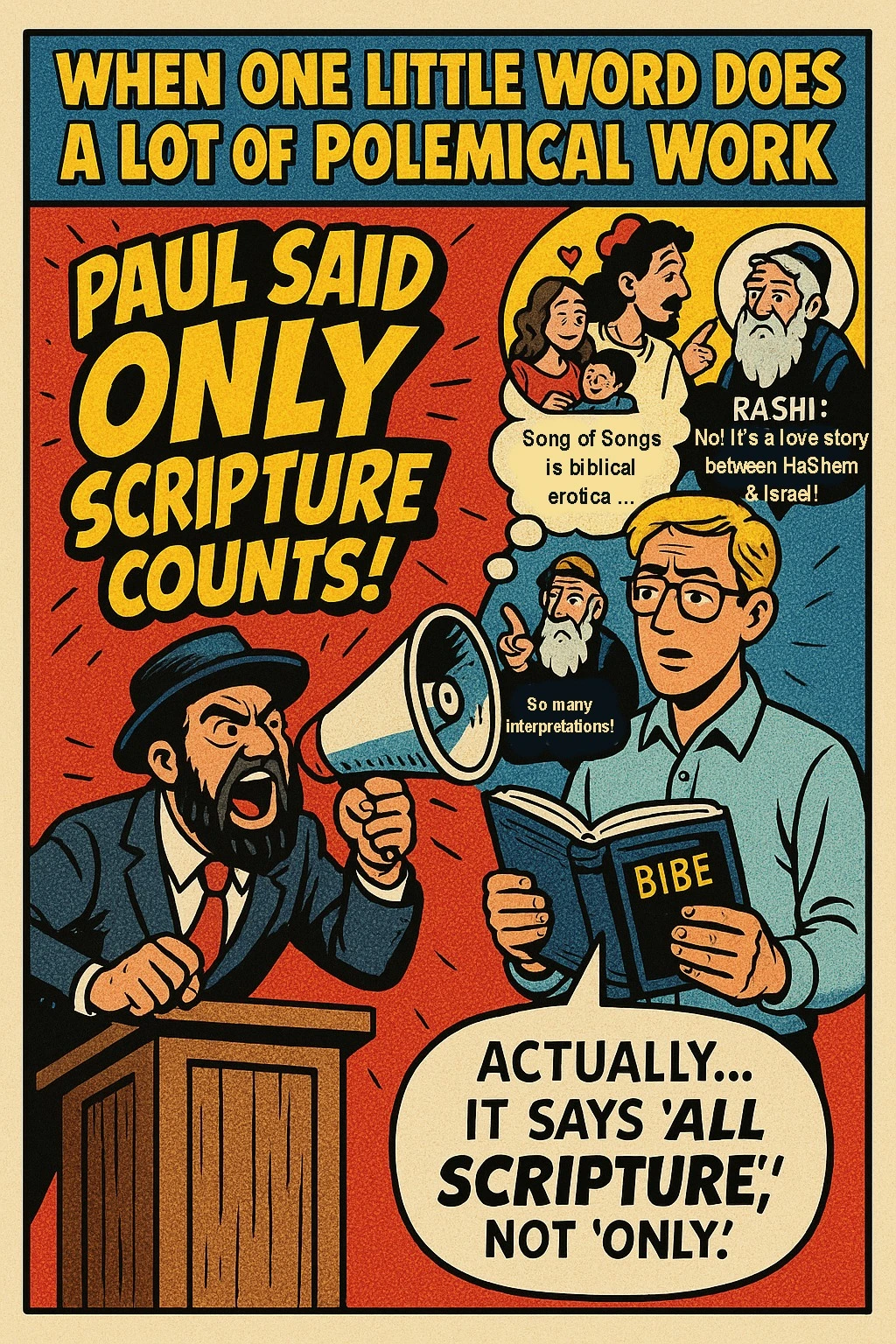
𝗜𝘁 𝘀𝗮𝘆𝘀, “𝗔𝗹𝗹 𝗦𝗰𝗿𝗶𝗽𝘁𝘂𝗿𝗲” 𝗻𝗼𝘁 “𝗼𝗻𝗹𝘆.”
That tiny imported word – “𝘰𝘯𝘭𝘺” – does a lot of polemical work.
I feel that if we are committed to emet, to truth, we don’t add what the text doesn’t say.
Second, we’re told by Singer that Paul claims a private, secret revelation, that he alone knows the “mystery.”
But again, is that what’s actually written?
No, no it’s not.
In 𝗘𝗽𝗵𝗲𝘀𝗶𝗮𝗻𝘀 𝟯:𝟰-𝟱 (𝗡𝗔𝗦𝗕) Paul explicitly says:
4 𝘉𝘺 𝘳𝘦𝘧𝘦𝘳𝘳𝘪𝘯𝘨 𝘵𝘰 𝘵𝘩𝘪𝘴, 𝘸𝘩𝘦𝘯 𝘺𝘰𝘶 𝘳𝘦𝘢𝘥 𝘺𝘰𝘶 𝘤𝘢𝘯 𝘶𝘯𝘥𝘦𝘳𝘴𝘵𝘢𝘯𝘥 𝘮𝘺 𝘪𝘯𝘴𝘪𝘨𝘩𝘵 𝘪𝘯𝘵𝘰 𝘵𝘩𝘦 𝘮𝘺𝘴𝘵𝘦𝘳𝘺 𝘰𝘧 𝘊𝘩𝘳𝘪𝘴𝘵,
5 𝘸𝘩𝘪𝘤𝘩 𝘪𝘯 𝘰𝘵𝘩𝘦𝘳 𝘨𝘦𝘯𝘦𝘳𝘢𝘵𝘪𝘰𝘯𝘴 𝘸𝘢𝘴 𝘯𝘰𝘵 𝘮𝘢𝘥𝘦 𝘬𝘯𝘰𝘸𝘯 𝘵𝘰 𝘮𝘢𝘯𝘬𝘪𝘯𝘥, 𝘢𝘴 𝘪𝘵 𝘩𝘢𝘴 𝘯𝘰𝘸 𝘣𝘦𝘦𝘯 𝘳𝘦𝘷𝘦𝘢𝘭𝘦𝘥 𝘵𝘰 𝘏𝘪𝘴 𝘩𝘰𝘭𝘺 𝘢𝘱𝘰𝘴𝘵𝘭𝘦𝘴 𝘢𝘯𝘥 𝘱𝘳𝘰𝘱𝘩𝘦𝘵𝘴 𝘪𝘯 𝘵𝘩𝘦 𝘚𝘱𝘪𝘳𝘪𝘵;
Nowhere does Paul say that “he alone knows the ‘mystery.'”
Instead, he says this mystery “has now been revealed to His holy apostles and prophets.”
Sounds like a lot more people than just Paul to me.
In 𝟭 𝗖𝗼𝗿𝗶𝗻𝘁𝗵𝗶𝗮𝗻𝘀 𝟮:𝟳 it’s “we speak God’s wisdom… a mystery,” not “I alone.”
I think one may reject Paul’s theology; fair enough. But it is inaccurate to say he claims exclusive access to any “mystery.”
Third, typology is caricatured in the video as if Christians invented a bizarre game of hide-and-seek.
𝗕𝘂𝘁 𝗹𝗮𝘆𝗲𝗿𝗲𝗱 𝗶𝗻𝘁𝗲𝗿𝗽𝗿𝗲𝘁𝗮𝘁𝗶𝗼𝗻 𝗶𝘀 𝗻𝗼𝘁 𝗳𝗼𝗿𝗲𝗶𝗴𝗻 𝘁𝗼 𝗝𝘂𝗱𝗮𝗶𝘀𝗺!
Our own sages systematized it with the framework of PaRDeS: Peshat (plain meaning), Remez (hints), Derash (homiletic/midrash), and Sod (secret, mystical).
𝗧𝗮𝗸𝗲 𝘁𝗵𝗲 𝗦𝗼𝗻𝗴 𝗼𝗳 𝗦𝗼𝗻𝗴𝘀.
On the level of Peshat, Rabbi Akiva’s contemporaries debated whether it was erotic poetry celebrating human love.
Others, like Rashi, read it on the level of Derash, insisting it was an allegory of God’s covenantal love with Israel.
And in Kabbalistic tradition (Sod), it becomes a mystical dialogue between the Shekhinah and the Holy One, blessed be He.
Three radically different readings, yet all authentically Jewish.
𝗢𝗿 𝗰𝗼𝗻𝘀𝗶𝗱𝗲𝗿 𝗚𝗲𝗻𝗲𝘀𝗶𝘀 𝟮𝟮, 𝘁𝗵𝗲 𝗔𝗸𝗲𝗱𝗮𝗵.
On the surface (Peshat), Abraham is tested with Isaac. On Remez, commentators see a foreshadowing of Israel’s suffering in exile.
On Derash, the midrash draws out themes of substitutionary merit.
And in Sod, the Zohar views it as a cosmic drama of judgment and mercy. The same text, four interpretive lenses, countless insights.
So when Christians read Joseph as a “type” of Messiah because he was rejected by his brothers and later exalted, are they outside the pale of interpretive method?
Certainly not in form.
The dispute is over content, not method.
𝗙𝗹𝗮𝘁 𝗼𝘂𝘁, 𝘆𝗼𝘂 𝗰𝗮𝗻’𝘁 𝗱𝗶𝘀𝗺𝗶𝘀𝘀 𝘁𝘆𝗽𝗼𝗹𝗼𝗴𝘆 𝗮𝘀 𝗮 𝗽𝗮𝗴𝗮𝗻 𝗰𝗼𝗻𝘀𝘁𝗿𝘂𝗰𝘁 𝗮𝗹𝗹 𝘄𝗵𝗶𝗹𝗲 𝗵𝗼𝗹𝗱𝗶𝗻𝗴 𝗼𝗻𝘁𝗼 𝗣𝗔𝗥𝗗𝗘𝗦.
It’s simply hypocritical in the extreme.
Fourth, the claim that the New Testament has no early high Christology ignores substantial scholarship.
Larry Hurtado (on early devotion to Jesus) and Richard Bauckham (on Jesus within the “divine identity”) argue that first-century Christians offered to Jesus honors reserved for the God of Israel.
People can disagree on that, but you can’t wave it away as medieval accretion.
Finally, Singer frames God’s salvation as either blatantly obvious (Isa 45:19) or cruelly hidden.
𝗕𝘂𝘁 𝗵𝗲’𝘀 𝗰𝗵𝗲𝗿𝗿𝘆 𝗽𝗶𝗰𝗸𝗶𝗻𝗴 𝗵𝗶𝘀 𝗰𝗼𝗻𝗰𝗹𝘂𝘀𝗶𝗼𝗻𝘀.
The Tanakh gives us both: “𝘐 𝘥𝘪𝘥 𝘯𝘰𝘵 𝘴𝘱𝘦𝘢𝘬 𝘪𝘯 𝘴𝘦𝘤𝘳𝘦𝘵” (𝗜𝘀𝗮 𝟰𝟱:𝟭𝟵) and “𝘐 𝘸𝘪𝘭𝘭 𝘴𝘶𝘳𝘦𝘭𝘺 𝘩𝘪𝘥𝘦 𝘔𝘺 𝘧𝘢𝘤𝘦” (𝗗𝗲𝘂𝘁 𝟯𝟭:𝟭𝟳–𝟭𝟴).
Daniel blesses the God who reveals mysteries (𝗗𝗮𝗻 𝟮).
So who is Rabbi Singer kidding?
The answer is Jews and Christians who don’t read for themselves.
Sources:
1. Singer, Toviah. “The Shocking Truth: Christianity Is a Pagan Mystery Religion.” YouTube, YouTube, www.youtube.com/watch?v=cSIIYoGezrI&t=11s. Accessed 16 Sept. 2025.
2. Hurtado, Larry W. Lord Jesus Christ: Devotion to Jesus in Earliest Christianity. Grand Rapids: Eerdmans, 2003.
3. One God, One Lord: Early Christian Devotion and Ancient Jewish Monotheism. Philadelphia: Fortress Press, 1988.